





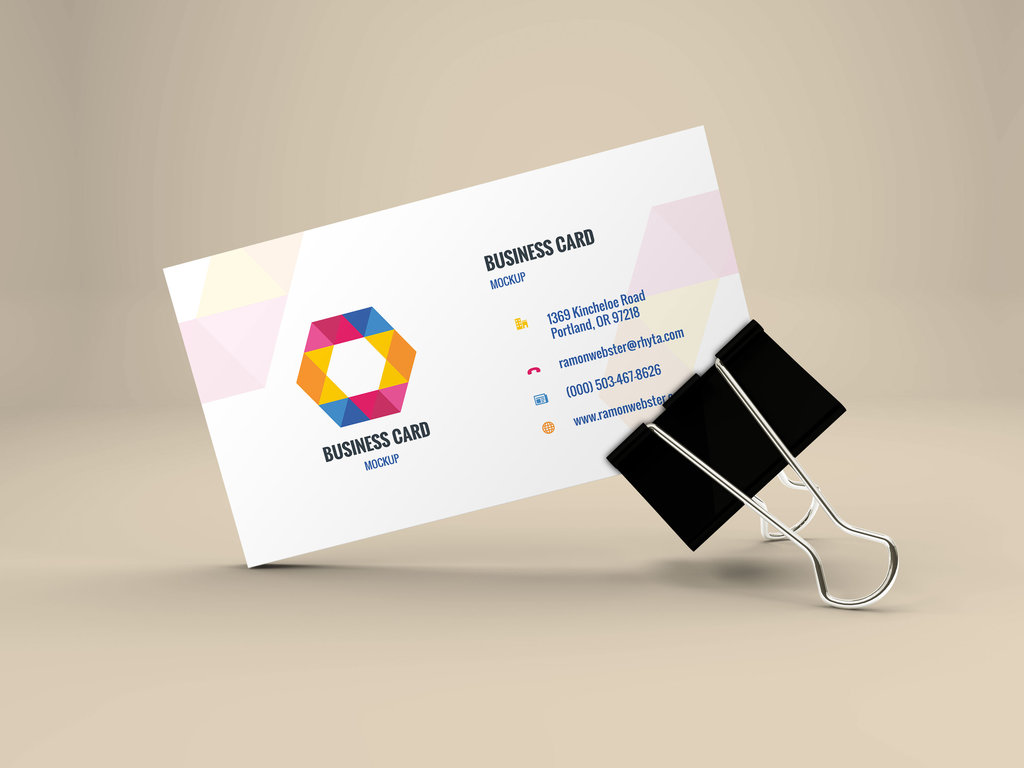
A Guide to Freelance Business Card Shapes and Sizes in 2025: Breaking the Norm
In the fast-evolving world of freelancing, standing out is more critical than ever. While digital networking dominates, a well-designed business card remains a powerful tool for making a lasting impression. In 2025, freelancers are pushing boundaries with unconventional shapes, sizes, and materials to differentiate themselves.

This guide explores the latest trends in freelance business card design, offering inspiration for those ready to break free from tradition.
Why Business Card Design Still Matters in 2025
Despite the rise of digital contact-sharing apps, business cards retain their relevance for several reasons:
- Tangible Impact – A physical card creates a sensory experience that digital methods can’t replicate.
- Memorability – Unique designs make you stand out in a sea of forgettable digital profiles.
- Professionalism – A well-crafted card signals credibility and attention to detail.
- Networking Convenience – Not every interaction happens online; in-person exchanges still matter.
With competition fiercer than ever, freelancers must leverage creativity to leave a lasting impression.
Standard Business Card Sizes (And Why You Might Want to Avoid Them)
The traditional business card size in the U.S. is 3.5 x 2 inches (88.9 x 50.8 mm), while Europe often uses 85 x 55 mm. These dimensions fit neatly into wallets and cardholders, but they also blend in.
In 2025, freelancers are experimenting beyond these norms to make a statement.
Unconventional Business Card Shapes Taking Over in 2025
1. Die-Cut Shapes: Beyond Rectangles
Die-cutting allows for custom silhouettes that reflect your brand. Popular options include:
- Rounded Corners – A subtle twist on tradition.
- Custom Logos – Cards shaped like your brand’s icon.
- Industry-Specific Shapes – A photographer might use a camera silhouette; a baker could opt for a cookie-shaped card.
Pros: Highly memorable, reinforces branding.
Cons: Higher production cost, may not fit standard holders.
2. Geometric & Asymmetrical Designs
Breaking away from symmetry, freelancers are embracing:
- Hexagons – Modern and sleek.
- Ovals & Circles – Soft, approachable, and unique.
- Trapezoids & Triangles – Bold and unconventional.
Pros: Visually striking, sparks curiosity.
Cons: May be harder to print and store.
3. Foldable & Multi-Panel Cards
These expandable designs offer extra space for information:
- Bi-fold & Tri-fold – Like a mini brochure.
- Zigzag or Accordion Folds – Interactive and engaging.
Pros: More room for portfolios, QR codes, or service details.
Cons: Bulkier, may not fit in standard cardholders.
4. Ultra-Minimalist Micro Cards
On the opposite end of the spectrum, some freelancers are shrinking their cards for novelty:
- Square (2 x 2 inches) – Compact yet stylish.
- Mini Cards (1.5 x 2 inches) – Cute and easy to carry.
Pros: Unique, great for minimalist brands.
Cons: Limited space for information.
5. Interactive & Functional Cards
Why just hand out a card when it can do something?
- Sticker Cards – Peel-and-stick contact info.
- Seed Paper Cards – Plantable cards that grow into herbs or flowers.
- Puzzle Pieces – Cards that connect to form a larger image.
Pros: Highly engaging, eco-friendly options available.
Cons: More expensive, not always practical.
Material Innovations: Beyond Paper
In 2025, freelancers are experimenting with unexpected materials:
- Metal Cards – Sleek and premium (great for luxury brands).
- Wood & Bamboo – Eco-friendly and rustic.
- Acrylic & Transparent Plastic – Modern and futuristic.
- Fabric & Leather – Soft-touch and luxurious.
Tip: Consider durability—will the material withstand wear and tear?
Size Trends: Going Big or Ultra-Small?
While most cards stick to traditional dimensions, some freelancers are playing with extremes:
Oversized Cards (4 x 3 inches or larger)
- Pros: More space for creative designs, hard to ignore.
- Cons: Doesn’t fit in wallets, may feel cumbersome.
Mini Cards (Under 2 inches)
- Pros: Novelty factor, easy to carry.
- Cons: Limited space, easy to lose.
Long & Skinny Cards (3.5 x 1 inches)
- Pros: Unique, great for QR codes or social media handles.
- Cons: Unconventional storage needs.
How to Choose the Right Shape & Size for Your Brand
Before going wild with design, consider:
- Your Industry – A creative freelancer (artist, designer) can push boundaries more than a corporate consultant.
- Functionality – Will the card fit in a wallet? Is it easy to carry?
- Budget – Die-cuts and premium materials cost more.
- Brand Identity – Your card should reflect your style (playful, professional, avant-garde).
Future-Proofing Your Business Card: QR Codes & Digital Integration
Even with a unique shape, your card should bridge the physical and digital worlds:
- Embed a QR Code – Link to your portfolio, LinkedIn, or contact form.
- NFC Technology – Tap-to-connect cards (gaining popularity in 2025).
- Augmented Reality (AR) – Some cards trigger animations when scanned.
Final Thoughts: Dare to Be Different
In 2025, freelancers must go beyond the ordinary to make an impact. Whether through die-cut shapes, unexpected materials, or interactive elements, your business card can be a conversation starter.
Key Takeaways:
✔ Stand out with unconventional shapes (circles, hexagons, custom die-cuts).
✔ Experiment with materials (metal, wood, acrylic) for a tactile experience.
✔ Balance creativity with functionality – ensure your card is still practical.
✔ Integrate digital elements (QR codes, NFC) for a seamless connection.
By reimagining the humble business card, you can leave a lasting impression that keeps clients coming back.
Ready to redesign? Break the mold and let your business card speak volumes about your brand in 2025!