





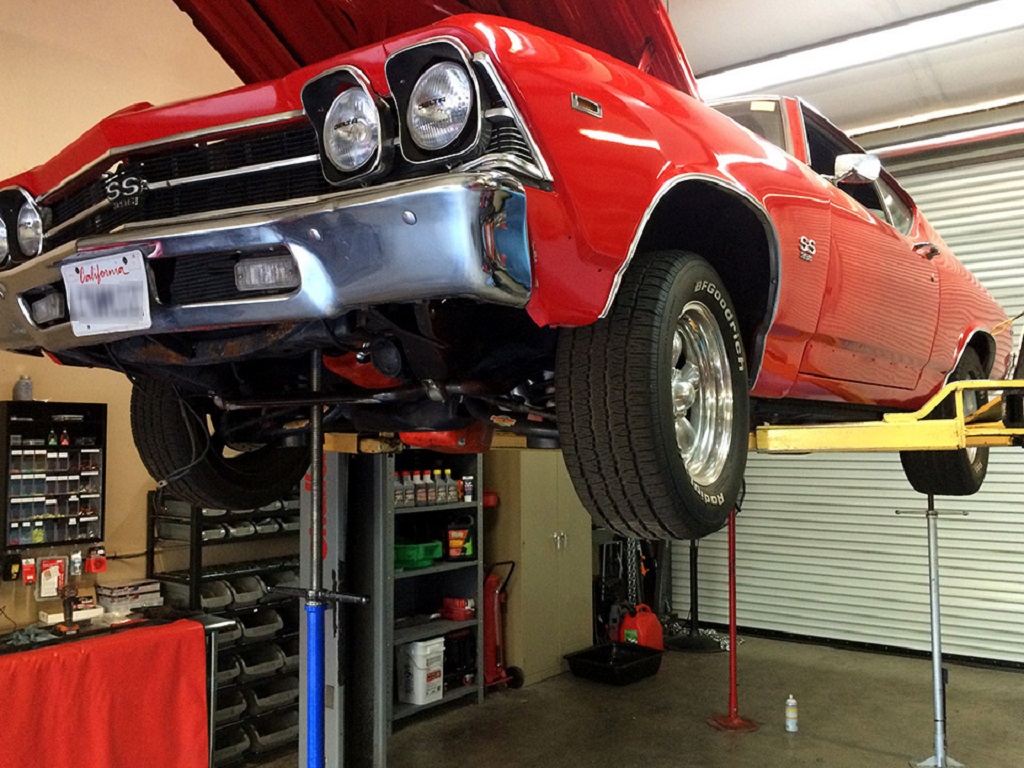
Expert Craftsmanship Around the Corner: What to Expect from a Classic Car Auto Body Shop with Automotive Restoration Near Me
Classic Restoration’s Fine Line: More Than Just Straight Panels
Stand in any classic car auto body shop near me and you’ll hear a chorus of old school wisdom and newer techniques colliding. Restoring a vintage muscle car, Jaguar E-Type, or ’50s station wagon isn’t as simple as bolting on new parts and calling it a day. Ask any experienced bodyman what separates a good restoration from a showstopper, and the answer hovers around body panel alignment and fitment. It’s the difference between a sharp suit off the rack and one sewn with your silhouette in mind.
Uneven gaps between fender and door, crooked hoods, or a trunk lid that sits proud—these things scream “restored in a rush.” Enthusiasts and show judges have eagle eyes for ill-fitting metal. In classic cars, factory gaps were never perfect, but the restoration game now demands something approaching perfection—or at least the illusion of it.
Alignment work starts by scrutinizing. You measure, re-measure, and then sometimes measure again. Unlike working with late model cars, there are no shiny new panels molded exactly for your ride. Often, panels are bent, stretched, or twisted from decades of use (or abuse). Where a modern vehicle might be pieced together with laser-cut components, a classic could have warped metal or old lead bodywork baked in. Enthusiasts know: factory tolerances fluctuated wildly before robotics took over.
The Anatomy of Panel Alignment: Patience and Precision
Let’s walk through the fundamental steps. Doors first, usually. Why? They’re a reference. You mount them, line them up with the rocker and quarter panels, and set the gaps. Next comes fenders, then hood, then trunk or hatch. You can’t skip around; sequence matters. Every seasoned tech has a story about getting halfway done, then having to start from scratch after discovering one side sat half an inch higher than the other.
Old hardware is another headache. Hinges may have worn holes, causing doors to “sag.” It’s not uncommon to need oversized pins, bushings, or even weld-up repairs to restore tightness. It’s all about foundation. If the base is off, everything else follows suit. Even the most skilled technician can’t fudge the geometry. Sometimes, all that stands between head-turning symmetry and disappointment is a good hammer and hours of patient coaxing.
Spotting the Signs: What to Look for in Quality Panel Fit
Here’s where keen eyes pay off. Examine the gap consistency around the perimeter of doors, hoods, trunk lids, and even headlight bezels. Are widths even from top to bottom? Listen for the way a door closes. Does it require a slam, or does it click shut with a gentle push? Light reflection across panels can reveal unevenness—watch out for waviness where panels meet.
Surface prep is vital, too. Misaligned panels might disguise even deeper structural issues. Check that the car’s frame is square, measured diagonally at multiple points. Any tweaks here ripple through to the visible parts. A car that’s been sideswiped or lived a hard life on rough roads often tells stories through its lines.
Custom Fabrication: The Finishing School for Rare Model Restorations
Some cars were limited production from day one. Others just never survived in large numbers—think Delahaye, Auburns, even some rare Jaguars. Good luck ordering a rear quarter for one of those from a catalog. People restoring rare cars must often fabricate panels from scratch. That’s where a true craftsman shines.
The Real World of Hand-Fabricating Body Panels
Let’s not sugarcoat it: handcrafting panels is unforgiving. First, you might make a buck—a wooden form shaped to mimic the original panel. Sheet metal gets cut, shaped, shrunk, and stretched using tools like English wheels, planishing hammers, and bead rollers. Remember: metal has memory. Push it too far, and it might kink, ripple, or oil can. Too gentle, and the right curves never come to life.
Fabricators use reference photos, templates, and every scrap of physical evidence. Occasionally, restoration shops will source another similar vehicle for patterns, but often, they work from grainy old brochures or blueprints. Working with aluminum, as on many Italian exotics, demands extra skill. It’s softer than steel and wants to dent and crease.
Fitting Custom Metalwork into the Puzzle
After forming comes fitting. Custom panels rarely drop into place without persuasion. Metal must be trimmed, edges rolled, and mounting points fabricated. Spot welding, seam sealing, even old-school lead loading surface imperfections as if icing a cake. The craftsman not only matches the obvious curves, but mimics original manufacturing textures and techniques—whether hammer-marks, subtle weld lines, or original crimped edges.
Some jobs test patience and skill. For example, recreating the “peek-a-boo” headlight covers on a Cord 810 or the sweeping tailfin panel on a ’59 Cadillac calls for days of trial and error. The artisan often works alone, focused as a sculptor, shaping curves and double-checking angles with gauges and string lines. Advances in CAD and 3D scanning help—some top-end shops now scan entire cars to generate data for accurate panel builds or 3D printed forming bucks. But nothing replaces a trained set of hands.
What to Expect From a Shop Tackling Rare Builds
A reputable restoration shop won’t hand you a timeline and exact dollar figure up front. “Pen to paper, metal to hammer” takes unpredictable turns. Expect open communication. You’ll get photo updates, and sometimes chances to see difficult steps up close—so you understand why things take time.
Reputable outfits diligently document every step. They label old parts, bag hardware, and keep templates for future emergencies. Transparency is a mark of pride.
Also, expect plenty of back-and-forth. Even the best shops occasionally need your feedback on finish, panel fit, and original vs. improved materials. Collaboration is key, much like an orchestra requires conductor and musicians in sync.
Tools of the Trade: Traditional Meets Tomorrow
It’s fun to see old and new methods side by side. Vintage techniques like metal-shaping by eye or hammer-welding are still alive and well. For a growing number of rare builds, though, tech plays a bigger part. Digital measuring arms, laser cut templates, and even combined AR (augmented reality) overlays help correct symmetry in ways never before possible.
But the underlying truth is simple. No gadget can substitute for decades of experience in your fingertips.