





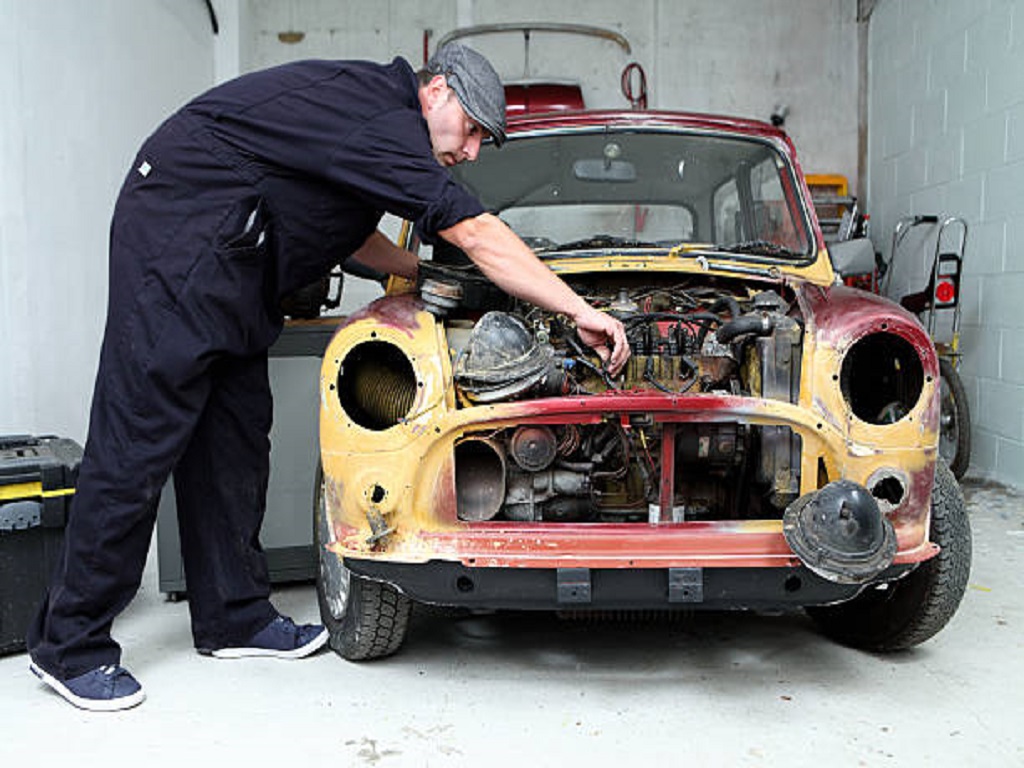
Preserving Performance: Routine Maintenance via Classic Car Servicing and Automotive Restoration Near Me
In Old-School Motors Preventive Care: Keep em Running Smooth
Vintage cars are not just automobiles, they are a kind of automobile with a well-told story, stories start out as hums of the engine when you drive through the Sunday morning, and decades hang out of their dashboards as battle scars. This is why people, who type in Google search boxes the phrase classic car servicing near me, are not merely car owners but rather their history keepers. When you wonder how to maintain a red-toed look constantly, you must be in the right place company. Now let us get down to practical tips of maintenance and diagnostics of your beloved classic.
Fluid Loyalty: Oils, Coolants and All That Jazz
Old motors do not think and breathe alike. Frequent oil changes alone are not routine but like blood transfusion to your old timer. Apply high-zinc oils, in case the engine is pre-1990s, later oils will have some additives that old engines love. Replace each 2,000-3,000 miles or at least once a year with your pride and joy butions hanging out in the garage instead of on the road.
Another story is coolant. The technology behind antifreeze has advanced, but then you would as well want to stick to what was advised that you will instead run corrosion due to the incompatibility of chemicals present in the new coolants. It will save you a cracked block in winter time by a complete flush every two years. The same care should be paid to Transmission and braking fluids as you to motor oil–clutch fluid, too, in the event that you have to drive your own gears.
Electrical Gremlins: Shaky Lighting and Indecisive Start-ups
Older cars are not installed with fancy electronic modules in electrical systems. However, corroded terminals, poor grounds, or old, worn-out generators (or alternators on the newer, old, cars) have the ability to cause havoc. When the headlights wink as though they are afraid of the dark make sure that all the earth points have been checked and connections are polished and tight. A little brush on the terminals with a house-hold wire brush is sometimes all there is to needed to scare away intractable starting troubles.
By the way, fuse boxes are favorite destinations of humidity. Avoid connecting things without opening, examining and covering wires. A multimeter is a good idea to have around to test voltage drops and continuity. A few dollars here can save you hours of consternation or having to tell your company that you have a tow requisition.
Carburetors and Fuel Delivery: The Heart Must Continue to Beat
A majority of the classic vehicles get fuel-air mixtures through carburetors. They are art works- and when left unattended, torture machines. Excessive build-up of carbon can cause the engine to stall, or stall out, idle rough, or to sputter when the throttle is mashed, so use this first. Dried gaskets, gummed up jets or wet floats demand a wash down and an even hand with a rebuild kit.
These fuel filters are concealed under body or under a hopeful seat close to the engine and require frequent replacement in newer cars. It is an ideal time to change your own in case you have not done so in a long time.
Tires, Hoses and Belts- Worn Out Rubber
We all know the fact that tires age before becoming bald on the cars which spend more time on carpets than they are spent on highways. Rubber grows old, fissures and hardens. Inspect tire sidewalls to see whether there is dry rot. Replace All tires that are more than six years old, whether they have tread or not.
With time, belts and hoses crack, dry up, stretch and break. Replace any that so much as hint of a crack: particularly coolant hoses. Fifteen dollars worth of hose is worth overheated Sunday drive.
Brakes: Old but Goal… Till They Die
Vintage models are not equipped with brake systems that do not bank on fluid and correct adjustment. Rubber lines lose their strength upon exposure to atmospheric conditions. Look at them whether they have small cracks or leakages. In case the pedal becomes spongy, foul air in the lines or worn fluid is the first suspect. Then bleeding may regain feel. Brake shoes and (drums, or rotors and pads, should it be a newer classic) are subject to both inspection and replacement. When you hear grinding, howling, or regular thumping you want to crawl under and examine.
Diagnostics of Common Mechanical Head-Scratchers
Now there is the fun or frustration of old cars. When a bump, rattle or a clunk occurs, Sherlock Holmes time. A number of suspects cause most of the problems.
Recalcitrant Inception: Clicks than Kick
Turn key. Nothing. The battery? Could be. Classics do release faster particularly when the generator is under-charged. Voltage check should give the healthy 12.6V (a fully charged battery). On the off chance that the battery is solid, it can point a finger at a relay or a solenoid. Other times it is a tap on the starter motor that gets it to start, you don t want to know why, just does.
Sudden Stalls or Misfires: The Ghost of Ignition of Yesteryear
When your ride jerks or even pops when accelerating then have a look at the ignition system. Old distributor caps form tiny cracks which allow moisture to enter them. Points also require love, check gap, and swap them out when they are pitted. When the timing light is dusty or not, it is still your friend, however; get the ignition timing correctly set and get a sweet idle.
Overheating: Hot and Hot Situations at the Curb
Old radiators accumulate scale, and become inefficient. In case the temp gauge creeps up during traffic test the thermostats and check the radiator to see whether it has green crusts. Electric fans installed by past owners could have packed up. A frozen water pump or a freewheel pulley can be occasionally the bad guy.
Odd Noises Chasing Squeaks, Rattles and Clunks
An engine that spontaneously emits sounds as though it is a bag of spanners? It could simply be loose exhaust heat shields, tired engine mounts or old suspension bushings. Grease fittings (which can otherwise be ignored), should be pumped with suitable grease occasionally to prevent the groans and clunks.