





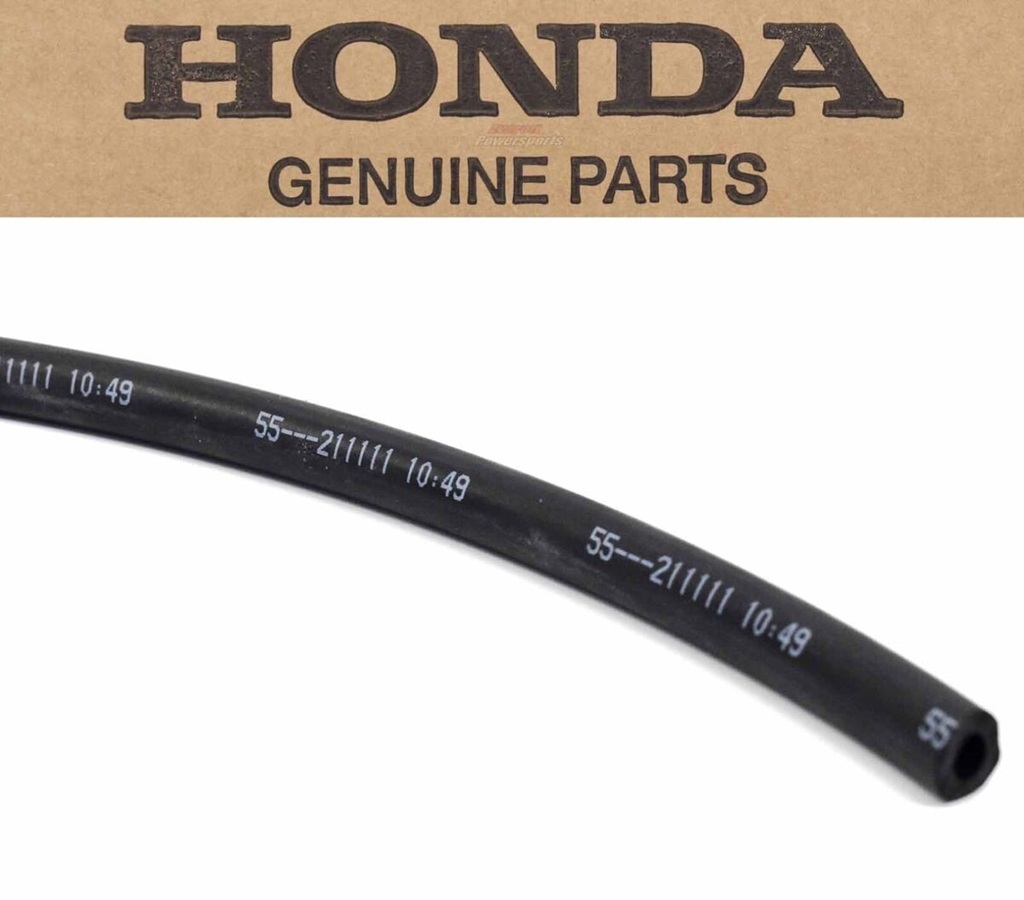
The Lifeline of Small Engines: Why 5.5mm Fuel Lines Matter
Deciphering small engines can occasionally be like trying to teach a cat to retrieve. Though generally it comes with a decent dose of head-scratching, you could obtain some cooperation. The fuel line is one crucial element that is sometimes overlooked. Mostly, the 5.5mm fuel line. Though many people never give this piece of tubing any thought, it is really essential to guarantee that your little engine runs like butter melting on a hot summer day.
 28
28
Small engines are not great fans of contaminants, here’s the deal. Engine choke on anything less than perfect, much as nobody appreciates a flat Coke. The ideal size of the 5.5mm fuel line preserves a smooth, continuous flow of fuel. The ideal fit keeps possible disturbances and blockages free. Consider it as your mail’s dependable postal worker—never missing any letters. Either a wider or a smaller pipe might cause problems that result in jams or leaks.
Regarding leaks, let’s discuss inadvertent gasoline drips. Any leak is a hazard as well as a waste, much like leaving the stove on overnight. Poor-quality or smaller lines might readily give way. Here the robust 5.5mm diameter stairs become useful. It maintains tightness and free spills free. Is that not a consoling idea right now?
Always heard the adage, “You reap what you sow”? Select a thin gasoline line and get ready for a jerky ride. A strong 5.5mm gasoline line serves multiple purposes rather than only one-trick pony. It guarantees exclusive resistance against environmental elements. Lesser lines can suffer greatly from sun, dampness, and changing temperatures.
Oh guy too! Not least of importance is efficiency. Should your little engine be a character in a drama, the fuel line would be its unsung hero. It is absolutely vital in delivering the correct fuel load at exactly the appropriate moment. Think of it like a well-coordinated dance in which one missed step might cause performance problems.